
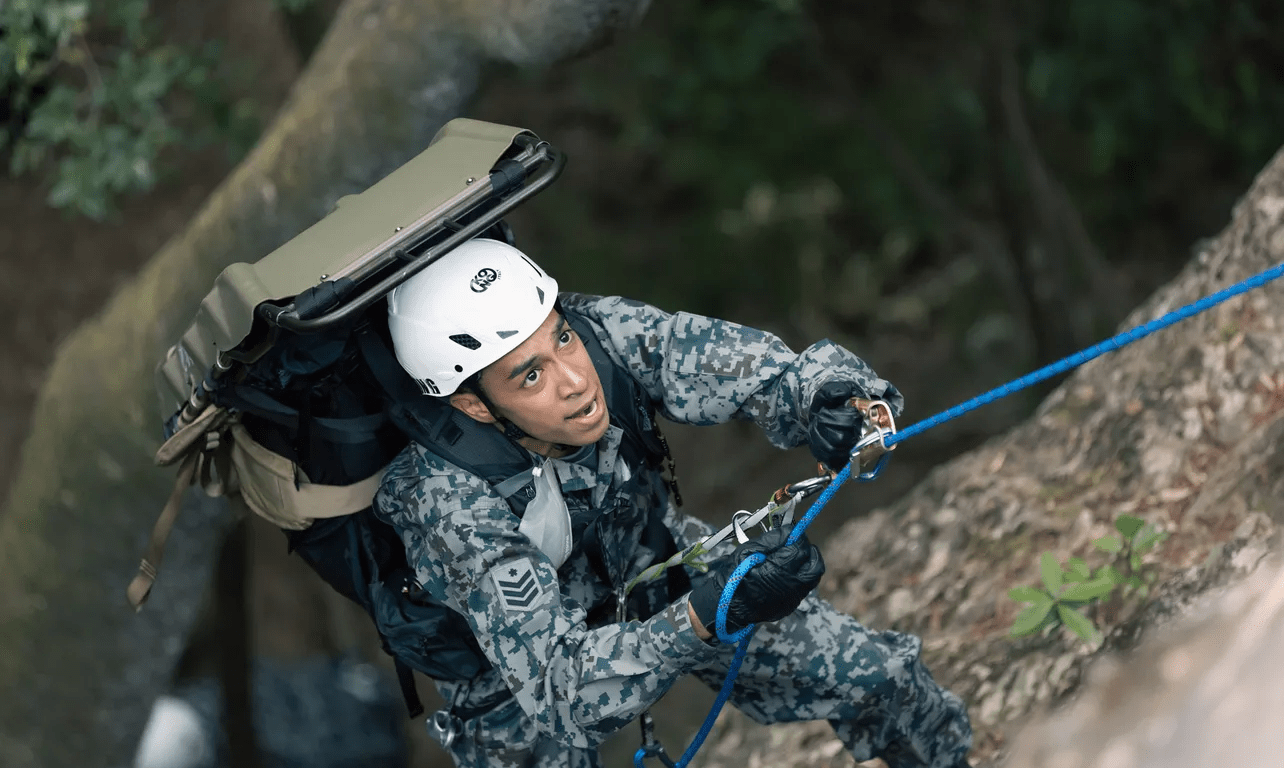
There’s a moment early in Pararescue Jumper (PJ: Koku Kyunandan)—now streaming on Netflix worldwide—when the seven rookie trainees line up at Komaki Air Base, jittery and wide-eyed, only to have their new instructor descend from a hovering UH-60J like a force of nature.
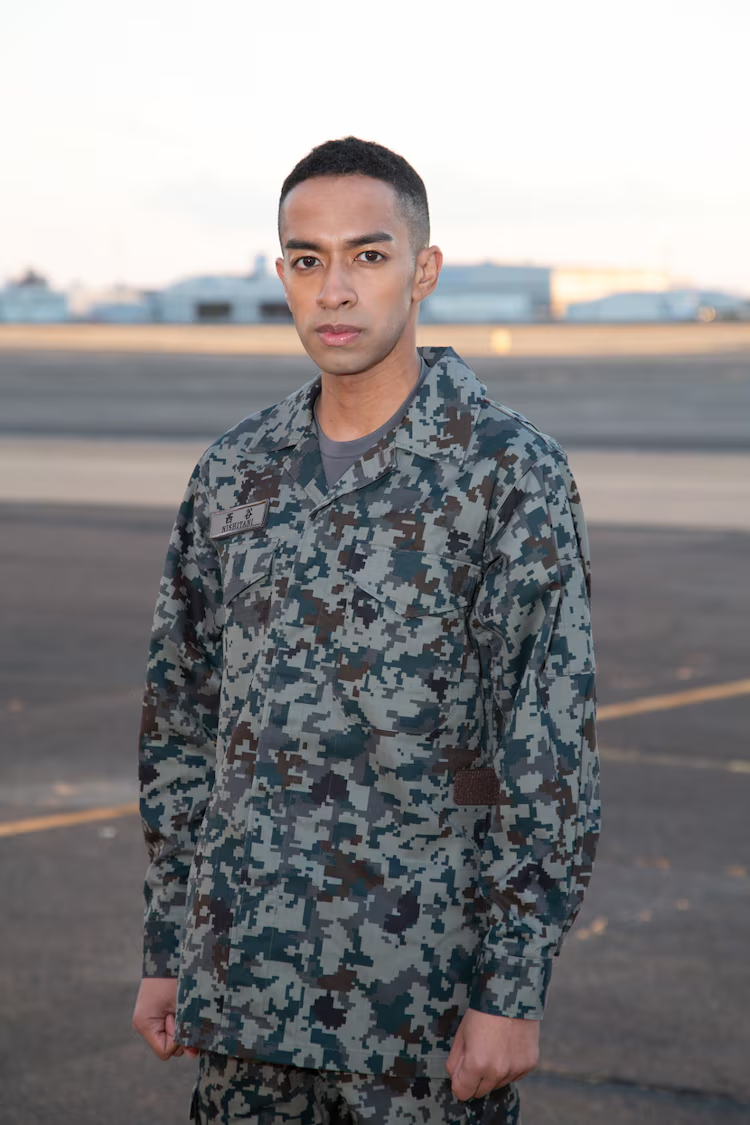
Somewhere in that lineup stands another kind of presence: a young man studying his surroundings with equal parts curiosity and quiet resolve. That’s Randy Nishitani, played by Ae! group’s Keita Richard Kusama—an actor who, over the course of the series, turns this soft-spoken trainee into one of the show’s emotional anchors.
Richard’s Randy arrives without bluster. He’s the one with the easy smile, the laid-back vibe, the little quotes he drops to lighten the mood when everyone else is breaking under the weight of mountain climbs and cold-water drills. But as the episodes unfold, it becomes clear that his gentleness isn’t an escape from the pressure; it’s how he transforms pressure into purpose. Randy wants to live as a “true Japanese citizen,” as he puts it, a line that holds surprising weight coming from someone who has always felt the push-and-pull of multiple identities. Richard brings that nuance with a disarming softness—it’s not grand speeches, but glances, hesitation, and the way he steadies the room when tempers flare.
Off-camera, Richard’s journey mirrored Randy’s more than even he expected. At the Tokyo press event, he laughed while confessing that he had become a full-fledged “daifuku otaku” during filming. “The director told me, ‘Eat daifuku to put on weight!’ so I just… started buying all kinds,” he said, describing his new habit of wandering convenience-store aisles in search of the day’s favorite. It’s an endearing image: a man training for one of the toughest on-screen roles of his career with mochi in hand, finding sweetness in the middle of a physically brutal schedule.
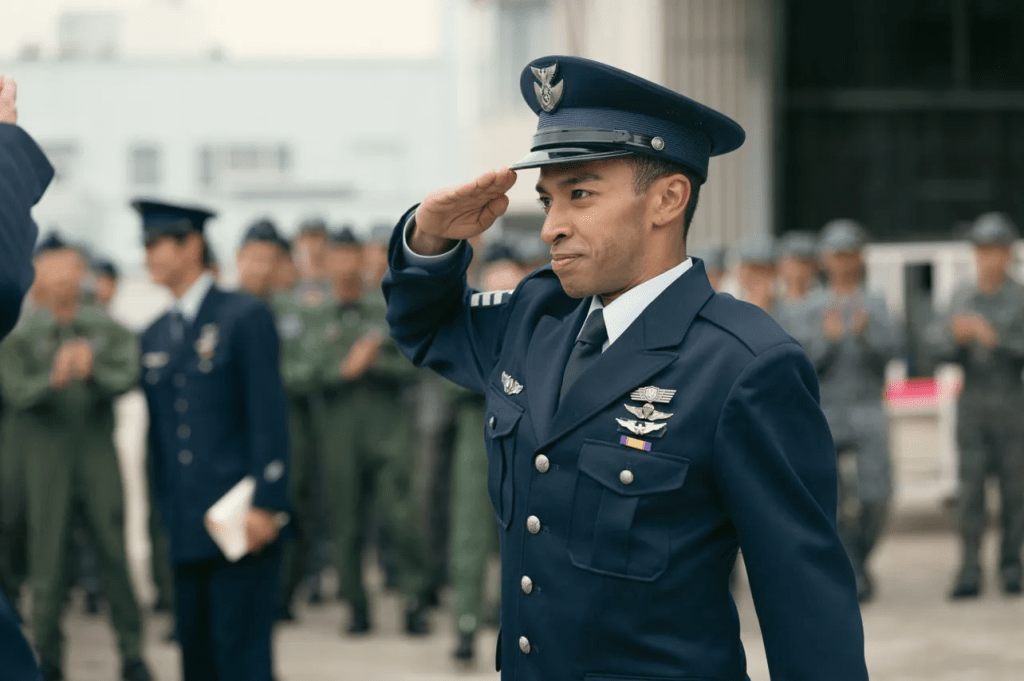
Co-star Seiyo Uchino, who plays the fearsome instructor Usami, spoke fondly of Richard’s growth. “Randy gets a better face the harder you push him,” he said. “When things get tough, he looks great. I mean it—he has a really good face.” It’s one of those comments that says everything about Richard’s immersive, wholehearted approach: he was there to be shaped, challenged, broken open a little—and it shows.
And brutal is the word. Richard admitted with his trademark honesty, “Filming was hard, but the preparation before filming was even worse.” On the day of the script read-through, the cast was told that training would begin that night—8 p.m., no excuses. Actual instructors pushed them the way they push real trainees. “Everyone had their spirit tested,” he said. But that hardship became the quiet foundation of his performance. The exhaustion, the soreness, the way your breath catches when you hit the water wrong—it’s all there in Randy’s body language.
For Richard, who speaks often about navigating the entertainment world as a mixed-heritage performer, the role carries a subtle resonance. Randy grapples with identity not through big plot twists but through the way he carries himself—always trying, always showing up, always offering the warmth he hopes others might someday offer back. That tenderness lands because Richard knows how to let it breathe without turning it into drama.
When Pararescue Jumper wrapped, co-stars and staff praised the cast for enduring the year-long training arc together. But there was a particular pride in how Richard rose—sometimes literally—from the challenges. He began the project unable to swim and ended it diving, surfacing, and emerging with that now-famous “good face.”
Now that the series is on Netflix, Randy and the rest of the cast are finding a new international audience—one that laughs at his daifuku obsession, cheers for his resilience, and sees in him the quiet heroism that the best dramas are built on. The story may be about trainees learning to save lives, but Richard brings something just as essential: the reminder that kindness, humor, and the courage to keep trying are their own kind of rescue.
And somewhere between the helicopter drops and the daifuku runs, Keita Richard Kusama proves that he’s ready for whatever the next jump asks of him—because he’s already learned how to land.
 Ae! International